Debt Consolidation: What You Need to Know to Take Control of Your Finances
Sometimes, carrying multiple debts feels like spinning plates. Payments come in at different times, interest racks up, and stress builds. Debt consolidation offers a way to gather those scattered bills into one manageable payment—and for many, it’s a step toward financial peace of mind. If you’re overwhelmed by debt or curious about simplifying your money life, this guide will explain how debt consolidation works, its benefits and risks, and how it could change your approach to debt for the better.
Understanding Debt Consolidation and How It Works
Debt consolidation means taking several debts—like credit cards or loans—and rolling them into a single, new loan or credit card balance. This new account replaces your old payments with just one. There are two main ways to consolidate debt:
- Debt consolidation loans
- Balance transfer credit cards
Let’s break each down, keeping things simple and clear.
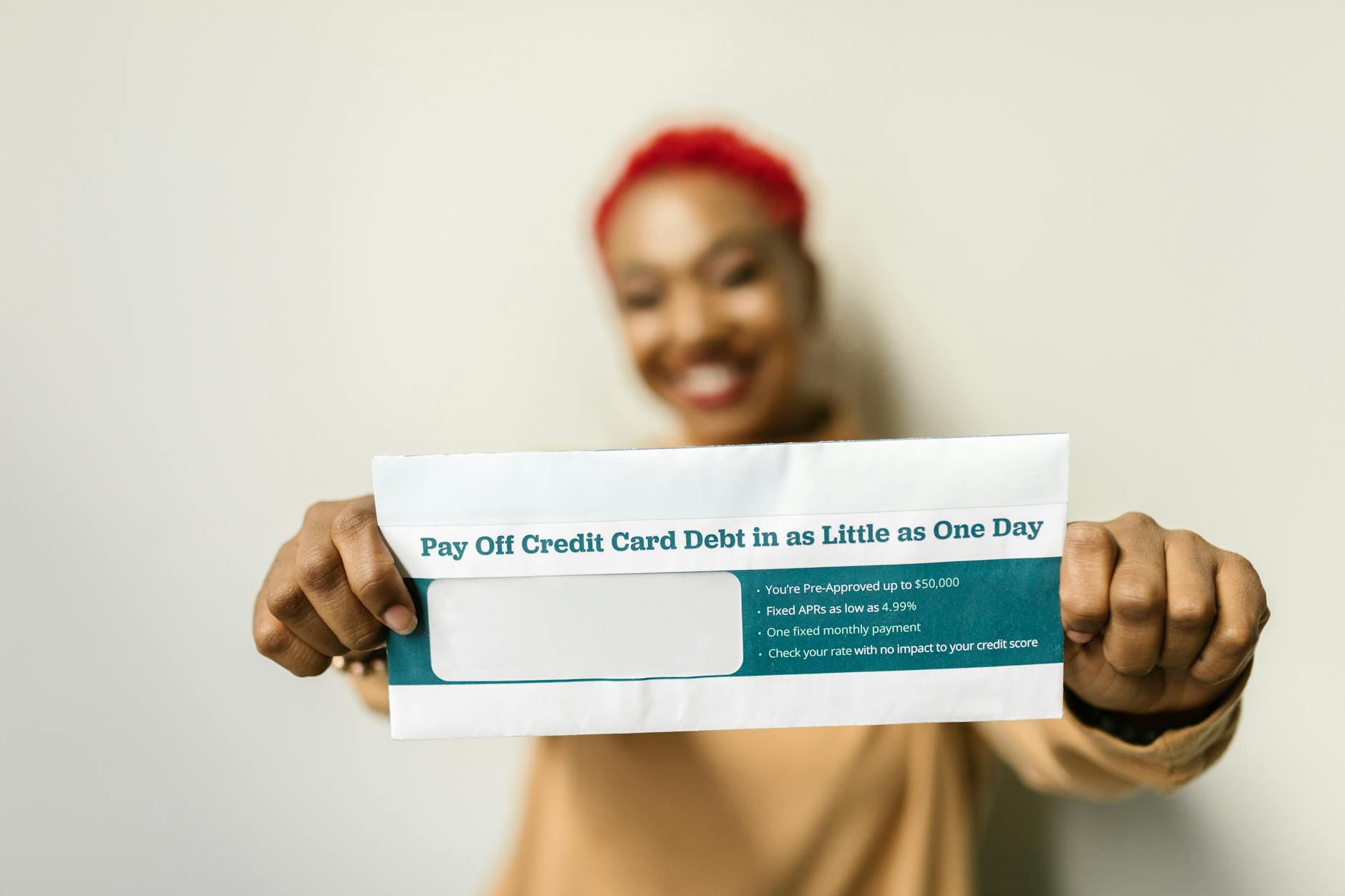
Photo by RDNE Stock project
Debt Consolidation Loans
A debt consolidation loan is a personal loan you use to pay off your other debts. Here’s what happens:
- You apply for a loan from a bank, credit union, or online lender.
- If approved, you get a lump sum of money.
- You use that money to pay off your other debts.
- You now have just one payment to make each month—to your new lender.
What do you need to qualify?
- A steady income
- A fair to good credit score (better scores get you lower rates)
- Sometimes collateral (for secured personal loans)
Where to get these loans:
Banks, credit unions, and online lenders all offer personal loans for debt consolidation. Some lenders even send money right to your creditors for you.
How payments change:
You’ll replace several payments with one. The new loan may come with a lower interest rate, helping reduce what you pay overall. The payment schedule is typically set, so budgeting is more predictable.
Benefits:
- One monthly payment
- Possible lower interest rates
- Simplified finances
Possible drawbacks:
- Origination fees (a one-time cost to start the loan)
- Higher interest for poor credit
- Risk of paying off debt over a longer period if you pick a long loan term
For real-life stories and tips, check out this personal finance discussion about choosing between a debt consolidation loan or balance transfers.
Balance Transfer Credit Cards
A balance transfer credit card lets you move your old credit card balances to a new card—often with a promotional interest rate (sometimes 0%) for a set period.
How this works:
- Apply for a card with a low or zero percent “intro” rate on transfers.
- Move your high-interest card balances to the new card.
- Enjoy low or no interest during the intro period (usually 6-21 months).
- Pay as much as possible before the period ends.
Typical features:
- Introductory APR (as low as 0%)
- Transfer fees (often 3%-5% of each transferred balance)
- Credit limit may not cover all your debt
The pros:
- Save money during the intro period
- Focus only on one monthly payment
The cons:
- Must pay off most (or all) of the balance before the intro rate ends, or interest kicks in
- Transfer fees can add up
- Requires decent credit to qualify
To learn more about how these two strategies compare, see this guide from Discover: Balance Transfer vs. Debt Consolidation.
Pros and Cons of Debt Consolidation
Debt consolidation can help you stay afloat, like getting into a lifeboat when debt becomes too much to handle. But just like a lifeboat, it’s not without its leaks and risks.
Advantages of Consolidating Debt
- One monthly bill: Everything is rolled into a single, predictable payment.
- Lower interest rates: Depending on your credit and lender, you may qualify for a much lower rate than those on most credit cards, which can be over 20% in 2025.
- Simpler budgeting: Fewer payments mean clearer tracking.
- Fewer late fees: With only one bill to remember, you’re less likely to miss a payment.
- Faster payoff: If you pay more than the minimum, you could get debt-free sooner.
Potential Downsides and Risks
- Upfront costs: Origination or balance transfer fees can add to your debt.
- Longer payoff periods: If you choose a longer loan term, you may pay more interest over time—even if the monthly payment drops.
- Credit score impact: Applying for new credit and closing old accounts can impact your credit score. Missing payments can hurt even more.
- Temptation to spend: If you rack up new balances on your old credit cards after consolidating, you could end up worse off.
See how these pros and cons stack up with more insights on debt consolidation trends for 2025 from CBS News.
Is Debt Consolidation Right for You?
Debt consolidation isn’t a magic solution, but it can provide hope and structure to people juggling debt. Here’s a simple checklist to see if it’s a good fit:
Debt consolidation might help if:
- You have several high-interest debts (like credit cards)
- Your credit score is fair or better, so you can qualify for decent rates
- You have a steady income to support regular payments
- You prefer one bill over many
You might want to look at other options if:
- Your debt is due to ongoing overspending
- You don’t qualify for a lower interest rate
- You worry you might run up new debts after consolidating
Key questions to ask yourself:
- Will the new monthly payment fit comfortably in your budget?
- Are the fees worth the possible savings?
- Can you avoid adding new charges while you pay off this loan?
- Are you committed to becoming debt-free?
Before you act, it can be wise to consult a financial counselor. They help you see the big picture for your money and find solutions that fit your goals. Read more about choosing the right strategy for you in this balanced comparison of debt consolidation solutions.
Conclusion
Debt consolidation is about turning a mess of bills into something you can handle. For the right person, it’s a real step toward taking back control. But, it’s not a perfect fix for everybody—be aware of both the costs and benefits.
Take action with these next steps:
- Check your credit score
- Tally up all debts and interest rates
- Compare lenders or balance transfer offers
- Read the fine print and be honest with yourself about habits
Stay positive. With the right approach, your financial stress can shrink, and you can start to see light at the end of the tunnel.
If you want more real-world stories and reports on lender specifics, see recent debt consolidation loan options for 2025.
Remember, financial freedom starts with one decision—and you’re already on your way.
Curadebt – Debt Relief Program
Struggling with debt? Curadebt helps you lower your payments, reduce what you owe, and avoid bankruptcy with proven debt relief solutions.
- ✔ Reduce your total debt
- ✔ Stop overwhelming interest
- ✔ Regain financial freedom

No comments:
Post a Comment